All for One and All Will Fall

When Alexander Dumas wrote his swashbuckling classic The Three Musketeers, he coined the phrase synonymous with this band adroit nobleman 'All for One and One for All'. It is thought by some to be the truest and most symbolic example of teamwork. We (the team are all in this together). Fast forward several centuries and our work lives are still all about 'the team' in many respects, only this time it's about getting things done and getting them done within our allotted hours of work. But what exactly are we all in for? What are we striving to achieve in the modern workday. The modern work week. Are we all in for the work or just to work?

Creativity & Emotional Intelligence are Strange Bedfellows 

Lets be honest. Creativity can be a cranky, moody, tempestuous individual at times. Never satisfied. Always looking for the different angle, always searching for something new, quick to judge and often speaks before applying a social filter. Conversely, Emotional Intelligence (EQ) can be stable, happy, and diplomatic person who does their work, doesn't rock the boat and follows the company line. They are a jolly bunch even when things aren't going so well. EQs are admired by workmates because of their serenity and ability to remain cool under pressure. They are perfect employee... Or so we thought.

Is the Art of Oracy dying?

No doubt Trump's own zealotry and self-idolatry would shelter his ego from harm, for even a seven-year-old primary school student would cringe at the redundancy and inaneness of his attempt at a logical thought process in pursuit of his own brand of Twitteroracy.

Why force change?

Any change that is forced, that is foisted is fraught with danger, both for the employer and more so for the employee. If an organisation cannot clearly outline the benefits for the change for the individual the organisation could find itself hoist upon its own petard in venturing down the change path purely for financial and economical gain.

Creativity versus Innovation?

For all the definitions of creativity and innovation that abound, from an organic perspective, creativity is the art of conception. Innovation is the art of successful gestation. Scott Berkun goes on to suggest that the best definition of innovation is significant positive change. When we create we are looking for the original, the new. When we innovate we want to put these new and original ideas into place.

When you cheat, you lose.

Every day, the drafting of legislation, policy and procedure seeks to obfuscate simplicity in such new and eventful ways (almost at times it would seem with potentially sinister or class divisional intent) to explain things that simple, logical phrases already do. Our language is full of 'sayings'. Sayings that have stood the test of time because they never lose relevance and are always logical, fundamental and unequivocal. It's simple. When you cheat, you lose.

Try and Change Culture without Emotion

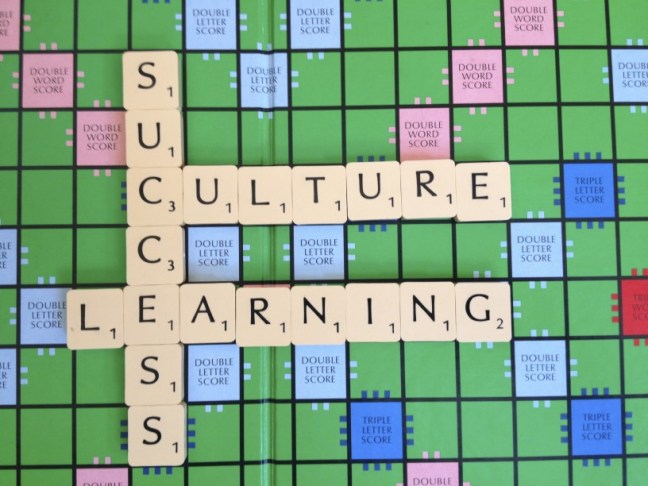
Any change cannot occur without recognition of the need to change (too many Dr. Phil episodes have told us this). True change and true cultural change cannot occur unless it affects us or the group at an emotional level. Change is about learning and learning occurs best when it is attached to an emotion.

Introverts – We walk amongst you

It is the shy kids who are easy to forget. They can be ushered into the corner by the teacher/director or the other actors/students and overlooked because they generally won't complain. They will accept the status quo because they won't want to rock the boat. Their creative skills enable them to show acceptance and contrition when faced with missing out on opportunities.